Fireworks, sparklers and party poppers are often handled on the Fourth of July to display colorful lightshows or excite children. But it’s important to ensure safety while partaking in the holiday with friends and family because the explosives, as innocent as they may seem, can be dangerous.
In 2023, about 9,700 individuals were treated in emergency rooms for firework injuries, according to the U.S. Consumer Product Safety Commission, and eight people died. The CPSC, an independent agency, is tasked with protecting people from injury or death as a result of consumer products, like fireworks.
According to the CPSC annual fireworks report, injuries from fireworks have increased from 2008 to 2023. About 66% of injuries in 2023 happened in the weeks before and after the Fourth of July. In studying the four weeks surrounding the holiday in 2023, CPSC found hands and fingers are injured the most by fireworks – about 35% of the time – followed by head, face and ears 22% of the time.
Teenagers ages 15 to 19 had the highest rate of these injuries last year, followed by kids ages 5 to 9, according to CPSC. And about 42% of the injuries studied were for burns. Sparklers, for instance, burn at temperatures around 2,000 degrees Fahrenheit.
Additionally, CPSC tested fireworks products in 2023. About 18% of the selected projects had “noncompliant components,” such as fuse violations or prohibited chemicals.
Illinois, however, is one of only three states that ban some or all consumer fireworks, according to NBC Chicago. But Illinois residents can buy items considered “novelty effects” and not fireworks, which includes sparklers and party poppers. Local laws vary, like in Chicago, where even sparklers are illegal.
“The safest way to view fireworks is to watch professional displays,” CPSC Chair Alexander Hoehn-Saric said in a news release. “If you choose light your own, make sure you only buy legal fireworks intended for consumer use from a reputable retailer.”
To stay safe this Fourth of July, CPSC has helpful tips:
- Do not let children play with fireworks, including sparklers.
- Only set off fireworks labeled for consumer, not professional use.
- Do not use fireworks if impaired by alcohol or drugs.
- Keep water nearby in case.
- Light fireworks at once, then move back quickly.
- Do not relight or use malfunctioning fireworks. Soak them in water and throw them away.
- Do not place any body parts over a firework when lighting it.
- Do not throw fireworks, including sparklers, at anyone.
- To prevent trash fires, douse fireworks with water after use before throwing them out.
Officials from Loyola Medicine also recommend wearing heat-safe gloves and goggles when lighting fireworks.
“Even a split second of contact with a burning sparkler can be dangerous,” said Joshua Carson, MD, director of the Loyola Medicine Burn Center, in a statement. “For young children, even the most innocent-seeming sparkler can cause serious burns.”
If there’s a traumatic injury, where fingers or part of the hand is blown off, wrap it in gauze and place it in a plastic bag, according to Loyola Medicine. The bag should then be placed in a container with ice or cold water and the individual taken to the appropriate facility.
A burn larger than one’s palm or a burn affecting the eyes or face should be treated hastily by a local burn center, officials said. Rinse burns with cool water, not ice water, and cover with a dry, sterile, nonstick bandage.
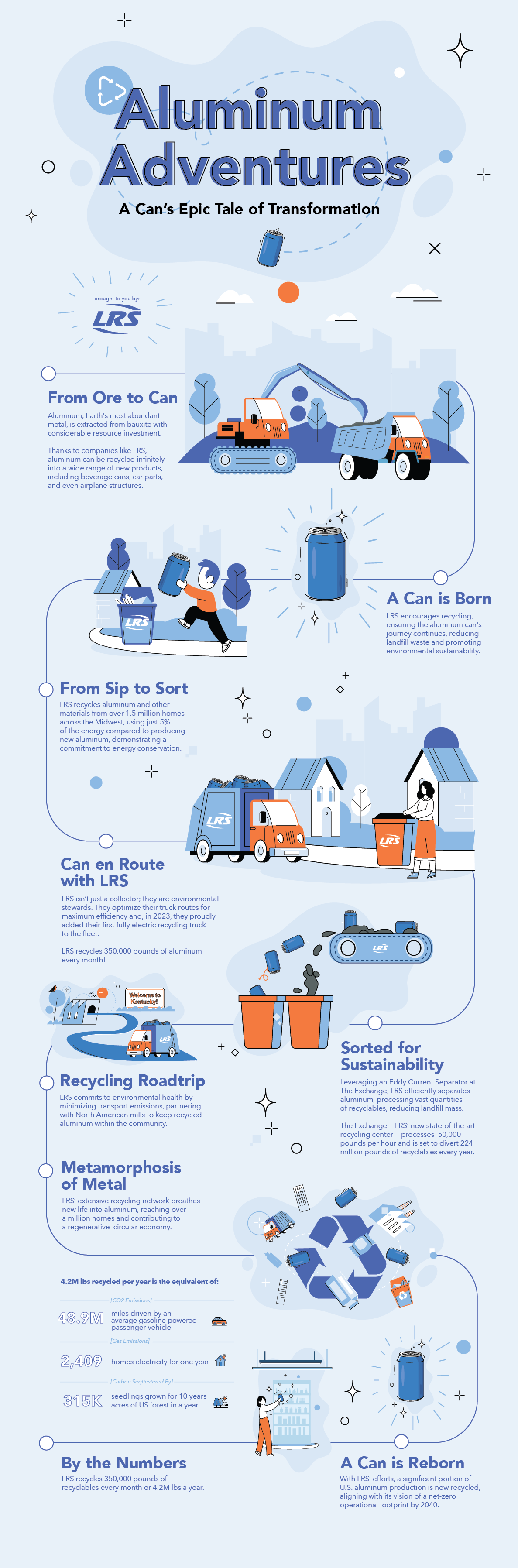
While ensuring safety during Fourth of July events, promoting sustainability is a good goal, too. A local waste management servicer, Lakeshore Recycling Systems, offered tips from Joy Rifkin, a LRS sustainability manager.
- Choose reusable plates, napkins and silverware.
- Use cups and glassware you own, especially aluminum water bottles that don’t break down.
- Shop locally for food to reduce carbon emissions associated with transportation.
- Send digital invitations, rather than paper ones, for parties and events.
- Separate recycling from trash and rinse before tossing. Dirty recyclables can contaminate the entire load.